If you’ve ever mislaid your luggage, you’ll know only too well how frustrating it can be to track it down. Fortunately, there’s now a bevvy of bluetooth trackers that can help make this part of our travels a lot easier and one of the most popular is the Apple AirTag.
So, here’s what it is, how it works and some cheaper Android alternatives that work just as well.
We also have an article all about the best trackers for travel, no matter what phone you use.
This article may include mentions of products from one or more of our affiliate partners. Unless explicitly stated, we are not being paid to include these. To learn more about our advertising policy, please refer to our Terms of Service.
What is an Apple AirTag?
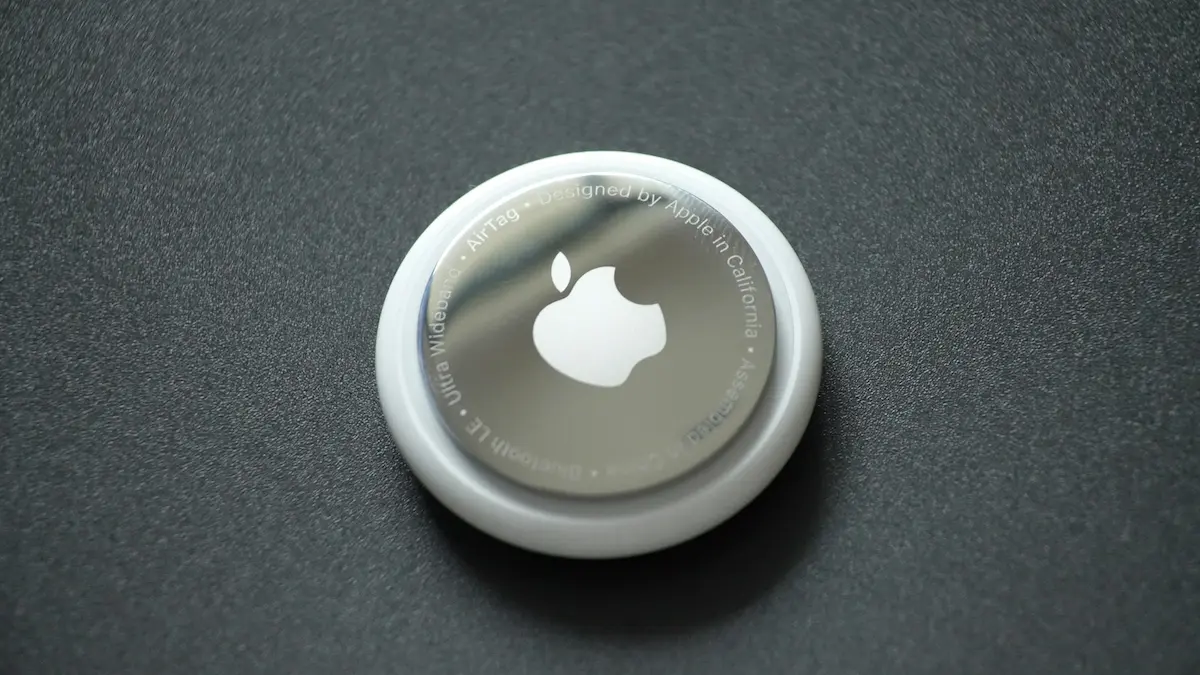
An AirTag is a small tracking device made by Apple. You attach one to something you don’t want to lose – your keys, your wallet, your suitcase – and it lets you see where that item is, right from your phone.
You might have also heard these kinds of trackers called GPS trackers, bluetooth trackers or smart tags.
The AirTag is simply Apple’s version of that.

New AirTag vs old AirTag - what's changed?
Apple first released the original AirTag back in April 2021, and for nearly five years it stayed exactly the same. The new AirTag arrived in January 2026 and while it looks identical, the key improvements are a much longer range, a louder speaker, and the ability to share your location directly with airlines.


How does an AirTag work?
An AirTag uses Bluetooth to broadcast a signal from wherever it is. On its own, Bluetooth has a pretty limited range, so Apple got clever about how it handles that.
Rather than relying on a single connection between the AirTag and your phone, it quietly piggybacks off every iPhone nearby. When any iPhone passes within range of your AirTag, it picks up that signal and sends the location back to you through Apple’s Find My network – anonymously, without the other iPhone owner knowing.
Because there are over a billion iPhones in the world, that’s a huge number of signals working in your favour. The more iPhones around – think airports and busy city centres – the more accurate your location will be.
All of that feeds straight into the Find My app on your phone, so you can check where your stuff is at any time.

How does this help me find my items?
Once you have a rough idea of where your item is through the app, you can get more precise in two ways.
The first is Precision Finding. Open up the Find My app when you’re close to your AirTag and your phone will show you exactly which direction to walk in, along with how far away it is – almost like a hot and cold game, but on your screen. It uses a combination of Bluetooth, sound and your phone’s camera to guide you right to it.
The second is the ping. If you think your item is nearby but you just can’t spot it – down the back of the sofa, buried in your bag – you can make the AirTag play a sound directly from the app. The new AirTag’s speaker is up to 50% louder than the original, so it’s much easier to hear even in a noisy room.
Between the two, you’ve got a pretty reliable way of tracking something down whether it’s across the airport or just hiding under a cushion.
Can it help my airline find my luggage for me?
Yes – and this is one of the most useful things an AirTag can do for travellers. If your bag goes missing, you can generate a link straight from the Find My app and share it directly with the airline. Their staff can then see exactly where your bag is and use that to track it down.
Apple has partnered with over 50 airlines to support this, so there’s a good chance your carrier is already on board. The link is temporary too – it stops being shared as soon as you’re reunited with your bag, or automatically expires after seven days.

How long will an AirTag last?
You don’t have to charge your AirTag and the battery should last around one year of daily use. However, the great news is that you can easily replace the CR2032 lithium coin battery in under 30 seconds.
Do I recommend an Apple AirTag?
I have used Apple AirTags for years and not only are they very useful to have on my keys, I love being able to pop one in my check in luggage so that I can track its whereabouts when travelling.
In fact, I now have three AirTags to my name, that’s how useful I find them! I just love how seamlessly it all works with my iPhone.
How much does an AirTag cost?
You can get a single AirTag for around £30, or you can buy them in a multipack of 4 to save money.
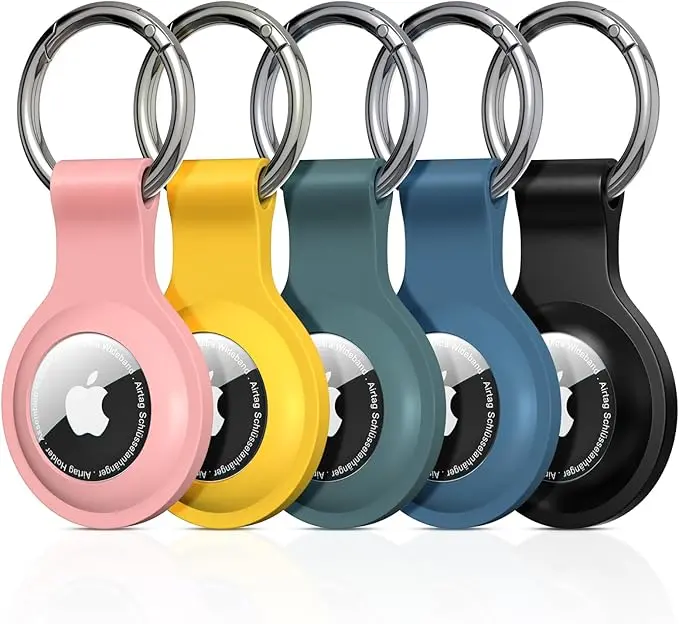
You can also attach it to an AirTag loop so it’s externally on your luggage, though I just keep mine in a cheaper keyring holder and pop it into an internal pocket.
How does an AirTag work in real life?
I’ve put my tracker to the test many times whilst travelling, so here’s a video from when I tested the first generation AirTag.
The Best Bluetooth Tracker for Android Users
Sadly, Apple AirTags won’t work in the same way if you’re an Android user but you can download The Tracker Detect app from the Google Play store for free which will allow you to use your AirTags in a similar way.
However, there are other – and cheaper! – alternatives that may work better for you.

The best AirTag alternatives for Android users
Tile have been around for years – I had one that helped me realise that my keys had been left in Madrid – and they cost less than £20. They have multipacks too.
Samsung Galaxy Smart Tags are well rated too – though they are pricier! However, you may be able to get a refurbished one from as little as £10.
These options also work better with Android phones.