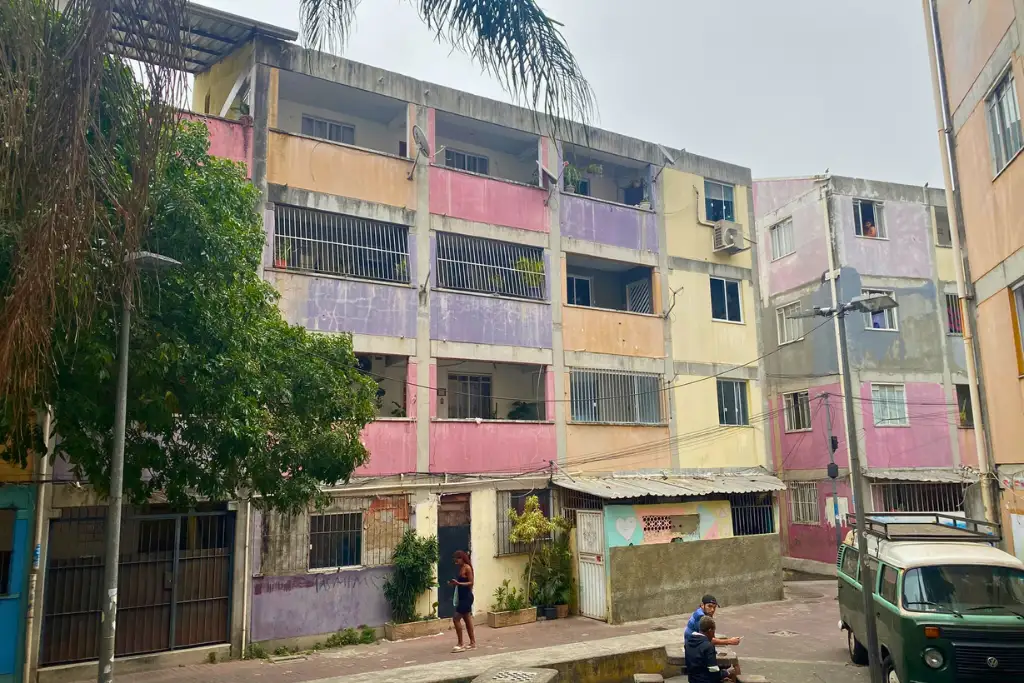
I’m Katie, Holiday Expert’s Editor. Rio de Janiero is one of my favourite cities, and the last time I was there I visited a favela. A lot of people ask if it’s safe for tourists to enter favelas, so in this guide I’m going to share what a favela is and how you can visit one on your trip to Rio.
This article may include mentions of products from one or more of our affiliate partners. Unless explicitly stated, we are not being paid to include these. To learn more about our advertising policy, please refer to our Terms of Service.
Is It Safe To Visit A Favela in Rio de Janeiro?
Let’s look at how safe it is to go to a favela in Rio, and how you can go about visiting.
What is a favela?

A favela is a type of neighbourhood in Brazil. It’s an informal, low-income development that doesn’t have official planning or authorisation.
Favelas tend to be on the outskirts of major cities, and sprung up when people who couldn’t afford formal housing built homes wherever land was available.
Over the years, there have been attempts to remove favelas. But today there’s more recognition of the rights of the people living there – and government efforts are more about improving these communities rather than demolishing them.
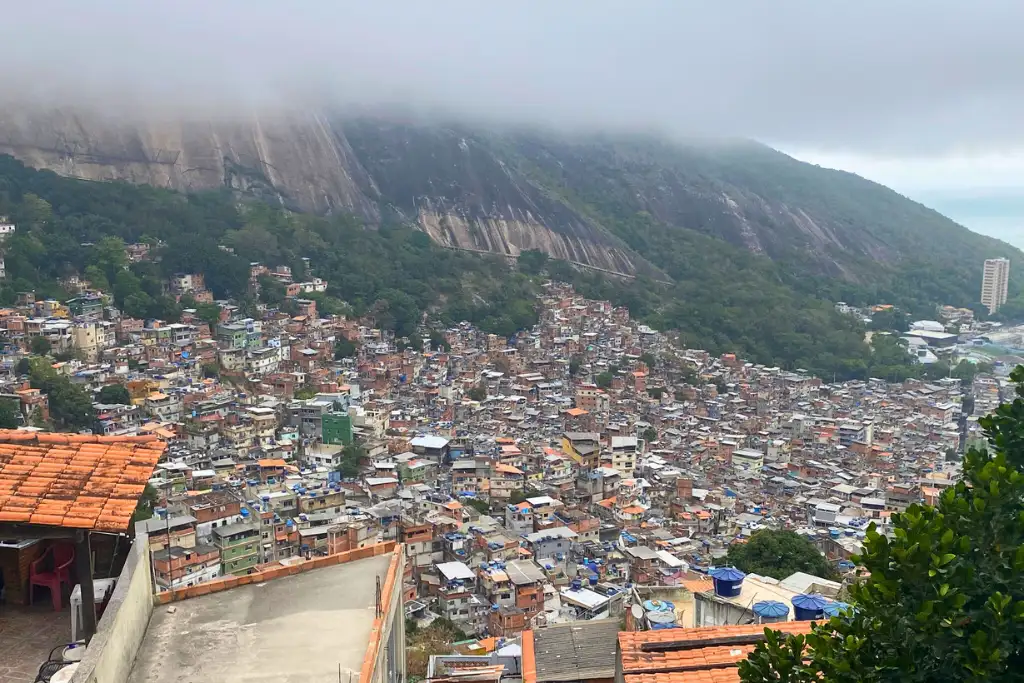
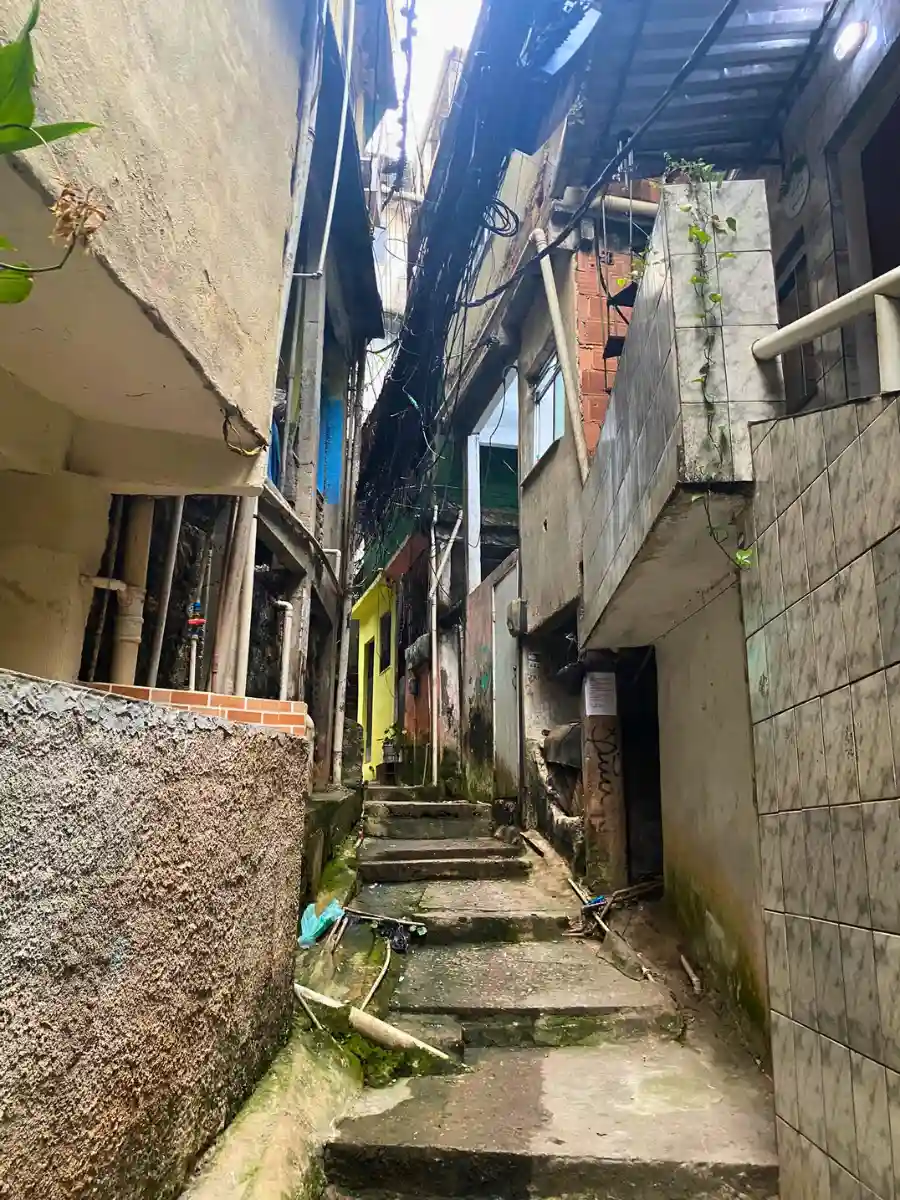
Favelas are usually very densely populated, and like any neighbourhood, they have their own infrastructure and services — including shops, schools, hair salons and healthcare facilities.
Why visit a favela?
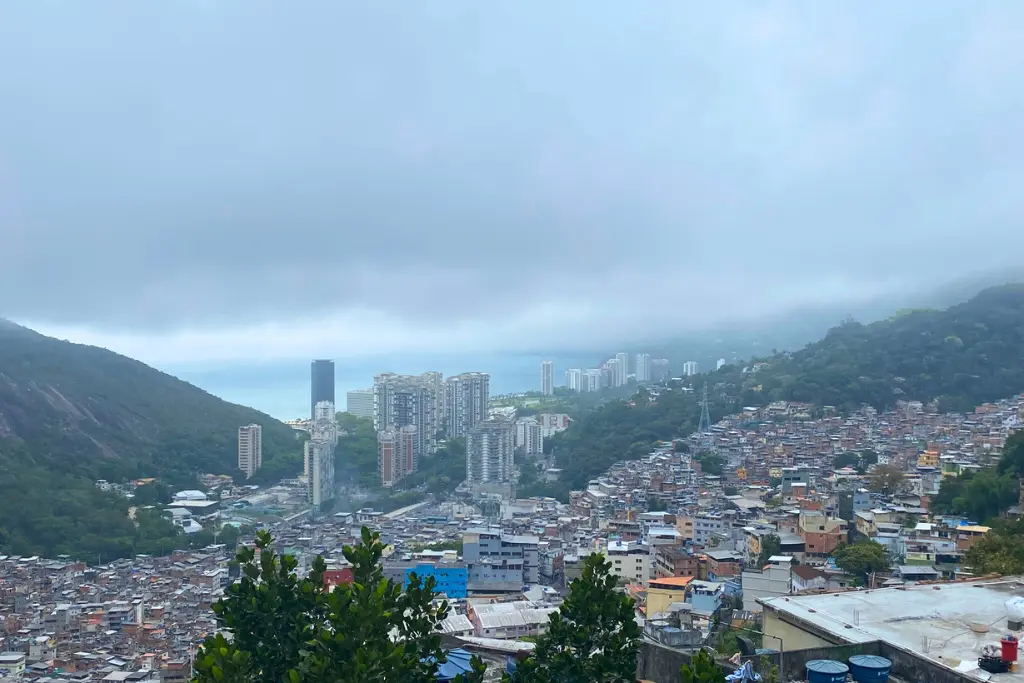
Favelas are home to millions of Brazilians, so they offer a window into everyday life. Brazil has a huge wealth gap – which becomes pretty obvious as you tick off the main sights. When you head up to admire the views from Christ Redeemer or Sugarloaf Mountain, you can see the huge favelas sprawled out before you.
So if you’re the kind of tourist who likes to get under the skin of your destination and understand what daily life can be like, then you might be interested to visit one.
Is it safe to visit a favela?
The answer is – it depends.
Some are safe for tourists to visit, others definitely aren’t. This is because some are under the control of criminal groups, whereas others have a kind of community policing in place, known as pacifying police units.
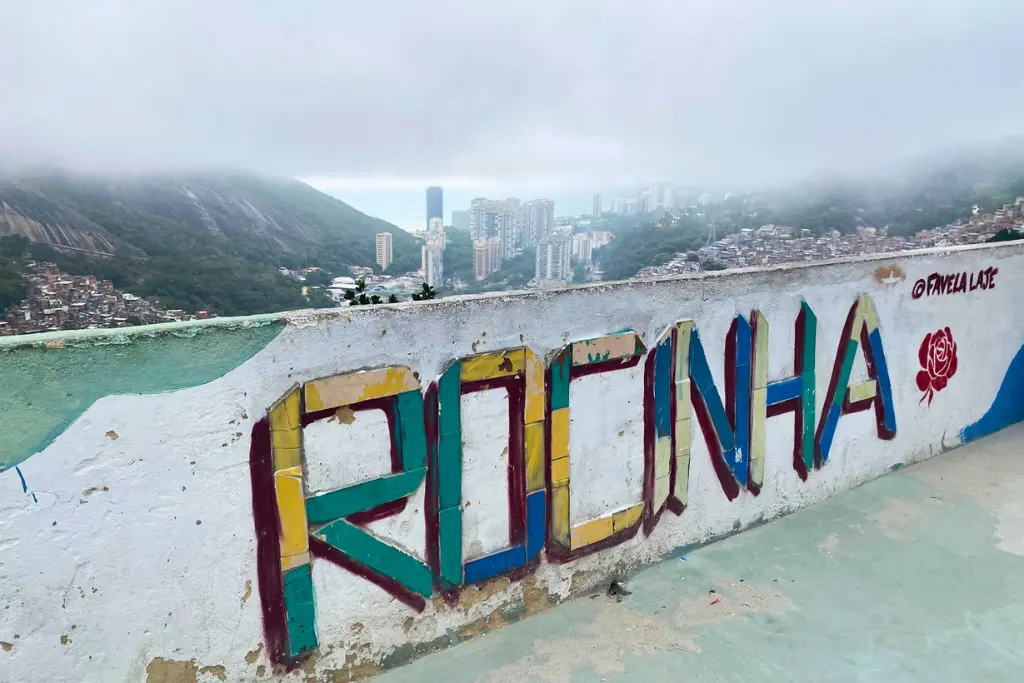
As with any trip – do your research about your destination and see what’s safe and what isn’t. In Rio de Janeiro, there are some favelas in the South Zone of the city that are under the control of these police units and generally considered safe for tourists. One of these is Rocinha, which is the favela I went to.
How can I visit a favela?
Organised tour
My recommendation is to visit a favela on an organised tour, that way you can be sure you’re in safe hands and respectful of the people who live there.
Sites like GetYourGuide have verified tours, so you can book one even before you leave for Rio. Favela tours like this are led by an authourised guide who is from the favela, and trusted to bring outsiders in.
Like anywhere, there’s always some level of risk. But if you choose a favela known to welcome visitors and have an authorised guide, you’re unlikely to run into any issues.
- Find a Rio de Janeiro favela tour
Independent visit
You can choose to visit a favela without a guide – there are restaurants and even hostels inside after all – but I’d say only do this if you’re a very seasoned traveller, as you’ll need to be streetsmart to feel comfortable.
If you’re planning an independent trip, do your homework. Online blogs and posts are a good starting point, but conditions can change, so it’s worth checking locally once you arrive. Ask your hostel, host, tour operator or other travellers for up-to-date advice.
Why do I need a guide?
Visiting a favela with a guide takes the guesswork out.
Even if a favela is generally considered safe for tourists to enter, some parts will be fine for you to be in and in other parts they won’t want you there. Going with a guide can ensure you’re only ever in the right place at the right time.
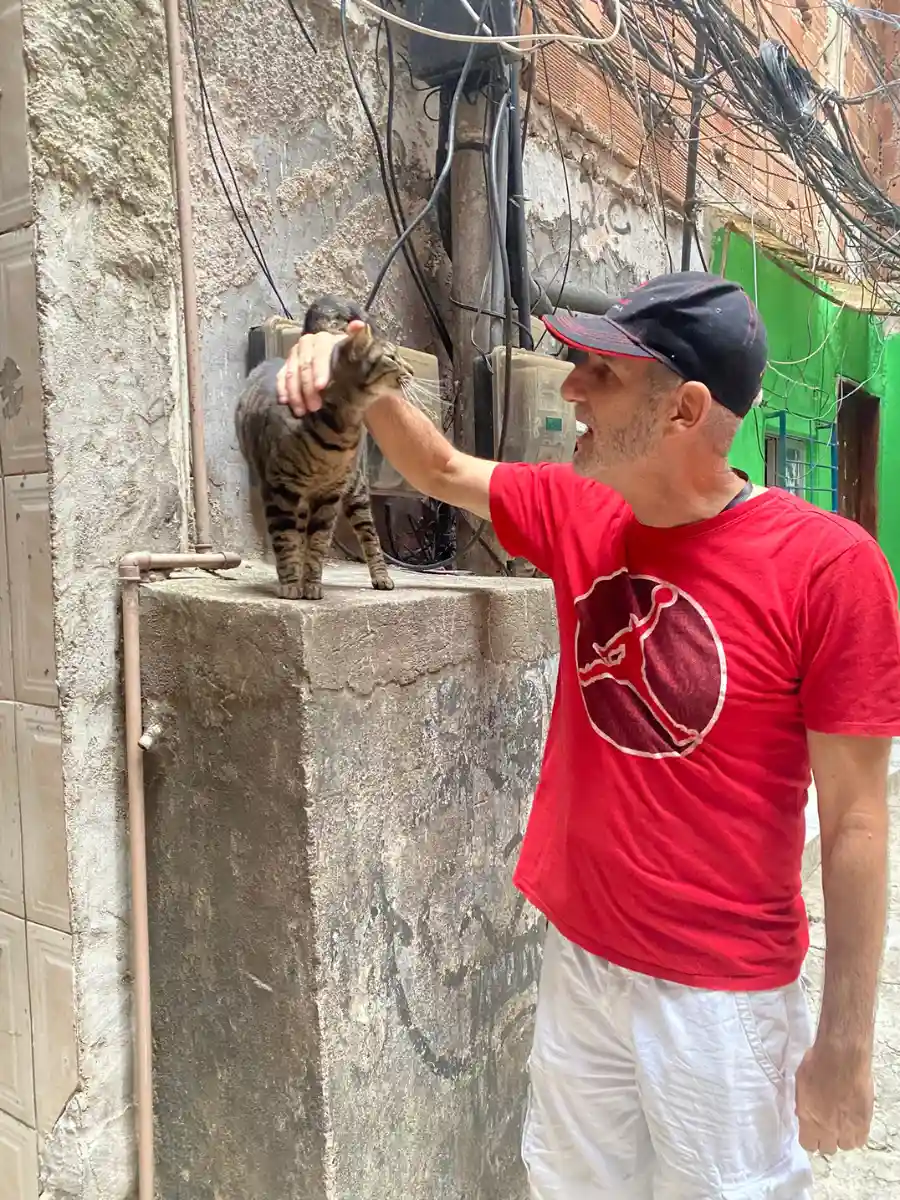
Our guide, Alberto, couldn’t go more than about 10 paces without greeting someone he knew. It was actually really nice to see these interactions, and added to the feeling we were in safe hands.
To be honest you really need a guide to just find your way – favelas are huge and warren-like, you can so easily get lost. Forget Google maps, that’s not going to help you!
What about crime?
Crime is a risk wherever you go, but as long as you’re visiting a favela with an authorised guide, it’s unlikely that trouble will find you. I actually think you’re more likely to be targetted in a posh area like Ipanema!
You can help with staying safe by doing what your guide tells you and being respectful to your surroundings – just like you would anywhere.
Does it feel disrespectful?
You might question the ethics of paying a guide to tour you round a place that lots of people call home.
But if you’ve ever booked a city tour to get the most out of a destination, then this is the same thing really – the guide tells you loads about daily life in the favela and you also get to hear their perspective on things like social issues and politics.
If you feel like you want to ‘give back’ for the time you spend there, then make a point of buying in local shops when you’re there. And remember that you’ll have booked with a local guide, so even if you’ve used a booking platform for reassurance, they will get their cut.
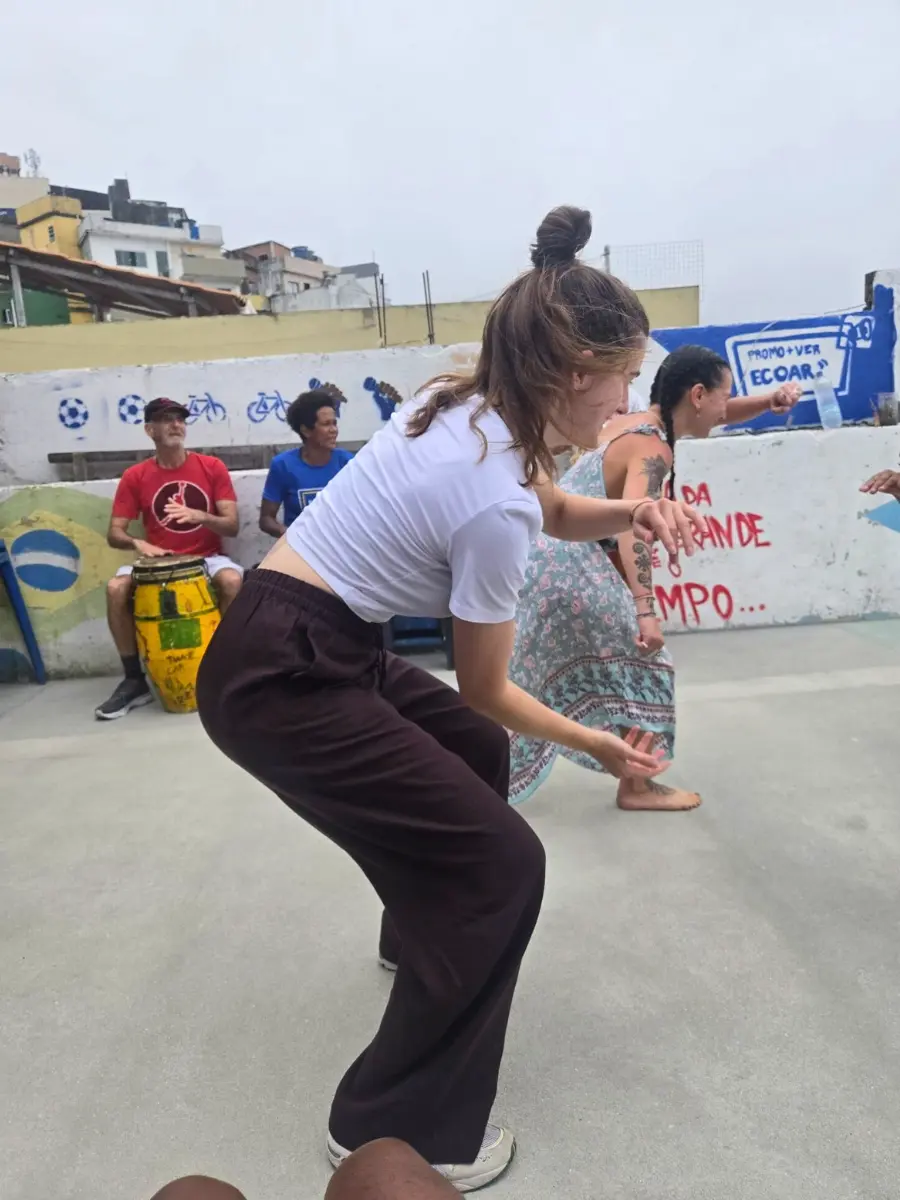
Most tours will factor in some sort of opportunity to spend with or donate to the community – when I visited I saw an art gallery where you could buy canvases, as well as a kids capoeira school where we joined in the music and dancing, and you could make a donation too.
Can I take photos?
When it comes to photos, your guide will tell you what’s appropriate.
Our guide in Rocinha, Alberto, told us before we got there that we could take photos of everything, apart from in 2 or 3 specific places. Right before we reached each of these spots he reminded us not to take photos, and let us know when it was OK again.
If you’re unsure at any point – just ask your guide to confirm. And try to stay on the right side of good photo etiquette – don’t take photos of people without asking, for example.
What should I wear?
My suggestion is wear whatever makes you feel comfortable – and leave behind anything you don’t want to take out and about.
The only thing you can’t wear everywhere in the favela is sunglasses – I think this is to keep your face visible. Again, our guide told us when we had to take our sunnies off – and when we could put them back on.
I took a crossbody bag with just the essentials like some cash and a card, leaving my passport at the accommodation – which I did any time I went out in the city.
I also kept my necklace on, although the general advice in Rio is not to wear any jewellery at all.
Use These Tips When You Visit A Favela in Rio
If you’re interested to visit a favela when you go to Rio, then use these tips to help you feel prepared. Choose an authorised guide for peace of mind and get a memorable insight into everyday life.