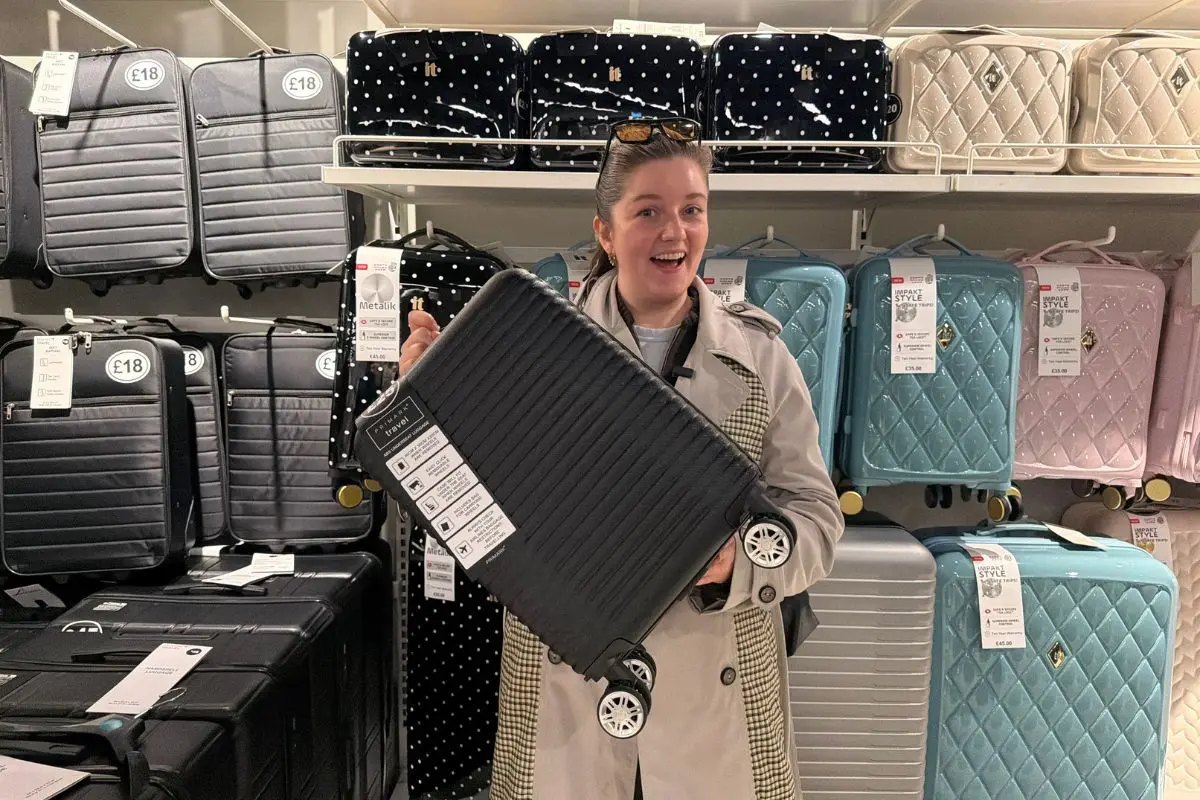
The January sales are already here – in a big way. Flights are slashed, hotels have chunky discounts and package holidays are priced at amounts you can’t bear to refuse. Or are they…?

This article may include mentions of products from one or more of our affiliate partners. Unless explicitly stated, we are not being paid to include these. To learn more about our advertising policy, please refer to our Terms of Service.
How to Spot a Real Bargain in the January Travel Sales
The new year is traditionally a time for sales, and not just in the travel world. And while it is totally possible to bag a bargain, prices aren’t always what they seem.
Companies use a lot of smart tactics to get you to part with your hard-earned cash in January – so I’m here to help you figure out whether that tempting price is actually a great deal, or just very good marketing.
Sales tip #1: Is January even the best time to book?
In January, lots of companies run sales on the price of flights, hotels and holidays. Plus, we’re still a good six or seven months out from peak summer, which usually helps when it comes to price.
But January isn’t automatically the cheapest time to book – although it can be. And I’ll tell you for why…
Demand is up
As soon as sales start, more people start searching. And more demand usually means less availability – and prices that begin to creep upwards. If you genuinely spot a great deal, then booking sooner rather than later will help you secure that low price.
It might already be too late(!)
Data actually shows that Black Friday tends to be a better time to book holidays for the following year. The general rule is that prices rise as you get closer to departure, which means January prices aren’t always lower than last autumn/ winter time. January is less about rock-bottom pricing and more unearthing something that’s good value while there’s still a still decent choice.
Flexibility is key
I’ll say this a lot – flexibility is the biggest money-saver when it comes to holidays. Being open on things like destination, travel dates, airports and accommodation type massively increases your chances of finding a genuine bargain – especially during sales.

Sales tip #2: Don’t panic-buy because of sales banners
When you browse for a holiday it’s super common to see messaging like “Only 3 seats left at this price” or “Booked 12 times in the last 24 hours.”
These messages are carefully worded to create a sense of urgency – you feel like other people are getting to the deal before you and it pushes you into booking quickly, before you’ve had time to think – or crucially, cross-check prices.
My tip is to not let these messages rush you into making a snap decision about booking a holiday. Take a moment to check the same dates and flights/ accommodation across a few different sites. Those extra minutes can really save you hundreds of pounds.
Sales tip #3: Use price-checking tools
Tools like Google Flights and Google Hotels are super helpful for sense-checking prices. I generally use them every time I make a booking.
They show you how prices have changed over time and whether the deal you’re seeing is genuinely lower than usual, or just standard pricing dressed up as a sale. If the deal price you’ve seen turns out to be in line with what’s typical for the route or the accommodation, then you know you don’t need to rush.
Sales tip #4: Check prices before the sales
Try to get organised, and do a check of prices in the days or weeks leading up to January. You can either screenshot them or write them down somewhere (go on, start a spreadsheet – you know you want to!). When the sales hit, you’ll be able to tell right away whether you’re actually saving money or just seeing the same price with bigger marketing.
Sales tip #5: Be flexible
I touched on this earlier, but flexibility really is the biggest bargain-hunting hack, at any time of year.
If you can be open on one, many or all of the factors below, then January sales can definitely be the time to lock in a genuinely good deal.

Destination
Being flexible on where you go really opens up your options. If you go to Malaga every year, consider somewhere else in Spain that’s a bit underrated, like Cadiz, or look beyond the Med to places like the Red Sea or the Aegean.
Accommodation
Broadening your hotel criteria gives you more options – for example a hotel with a beach shuttle is going to be cheaper than one right on the sand. And being open to changing up your usual preferences for view, decor or on-site restaurants can also unlock better prices.
Dates
School holidays and peak summer will always cost more. So if you can travel in shoulder season, or consider October half term instead of summer, prices often drop significantly.
Budget
Of course a bigger budget gives you more choice, but you can also think laterally. Choosing destinations where flights are cheaper or where your money goes further once you’re there mean you can get more bang for your buck.
Popularity
If you want to go somewhere that everyone else wants to go, then you can expect to see prices in line with demand – high! If your heart is set on a TikTok-famous resort, bucket-list location or a bank holiday break, then it’s harder to find those lower prices. Choosing underrated destinations or less popular dates gives you a much better shot at a deal.
Make Sure You Bag a Real Bargain in the January Travel Sales
So there you have it – my tips for helping you figure out whether that great deal you’ve spotted while munching your turkey sandwiches is, in fact, a great deal.
You can definitely bag a bargain at this time of year – just be savvy with your searching and try to be as flexible as possible – and these tips will help you know whether the deal you’re looking at is actually worth booking.