Now that the EU’s Entry/Exit System (EES) has finally launched, I’ve had LOADS of questions about what this means for travelling to and from Europe.
I thought I’d answer some of them for you here, including any updates we’ve had since this process has got underway!

FAQS: What Is the EES (Entry/ Exit System)?
I get it, the EES is not a straightforward business. And the more digging I do about it, the more questions I have!
So here’s the most asked follow-ups and what I’ve been able to unearth in the answers…
I’m at Birmingham airport - there’s no sign of any machines and the staff don’t know anything about it, what's going on?
Don’t worry, this is correct! EES is an EU process and not a UK one and so if you’re flying, it will never impact your journey at a UK airport. EES is set to replace passport stamps and so you’ll experience it where you normally get this done. For flying, that’s after you’ve landed but before baggage claim. For flying home, that’s after security but before you get on the plane.
The only places this is different is the Eurostar at St Pancras, the ferry at Dover and the Eurotunnel LeShuttle at Folkestone where you will be checked/get your passport stamped before you leave the UK. On your return, you’ll be checked in Europe before boarding your transport home.
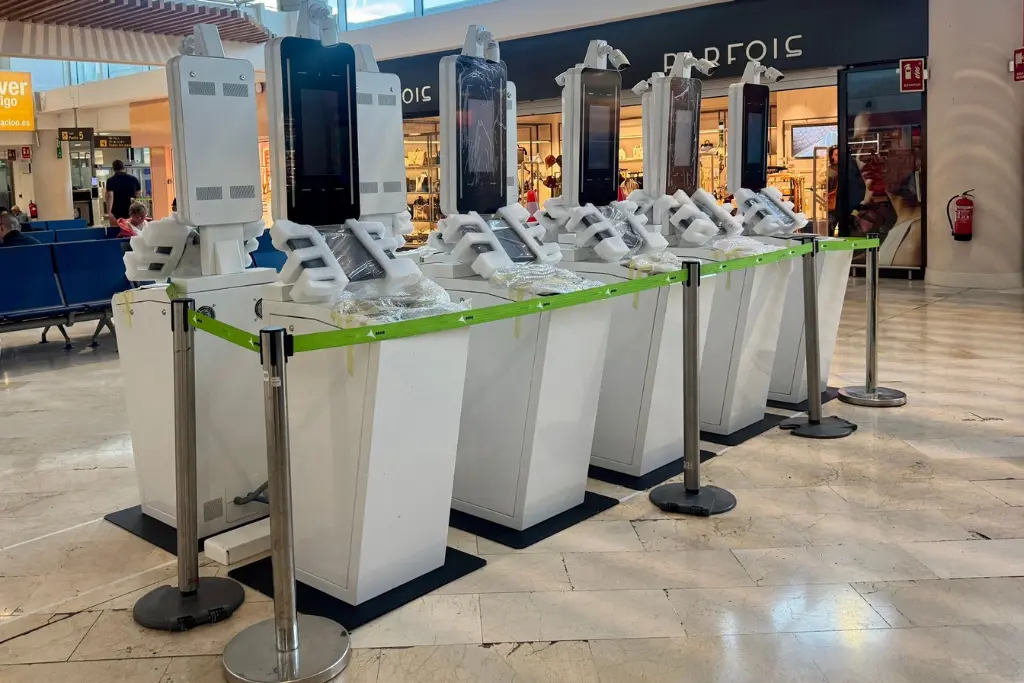
My other half travelled on Friday and the machines were at the airport but not in use - is this normal?
Yes. As there’s a six month gradual rollout, there are plenty of airports that aren’t doing EES checks yet, even if they have the self-service kiosks ready to go. Also, some airports – like Tallinn in Estonia – don’t even have kiosks up and running yet but are doing manual EES checks at border control.
Is there any way to know what airports will be doing EES checks?
Sadly, not really. The gradual introduction means that its hard to track who has started these EES checks, and just because an airport has started, it doesn’t mean they’ll check every single flight during these first six months. All in all, it’s VERY UNHELPFUL. The best advice I can give is to search for your airport followed by ‘EES’ and look at the most recent news stories. Check social media too, especially the airport’s own socials. Many have details on their website too.
How much extra time should I build in for EES checks?
This is difficult to answer since it’s hard to know if you definitely will get checked or not! Sorry to repeat myself, but it’s best to check on recent news and social media about your specific airport. The good thing if you’re flying is that you simply arrive at your UK airport as normal – it just may take longer to get through the border process after you land. As for getting home, that’s where you may need to get to the airport earlier if your airport has advised it.
Will I get asked if I have travel or medical insurance?
This has been a really confusing issue after both the Eurostar and Port of Dover self-service kiosks asked travellers this question. It’s proved so confusing that they’ve actually got rid of not only this question, but all of them, during the 6 month roll out. Overall, there’s no new rule in the EES that says you have to be insured for Europe though obviously it’s advised.
I got an EES check but then still got a passport stamp. What went wrong?
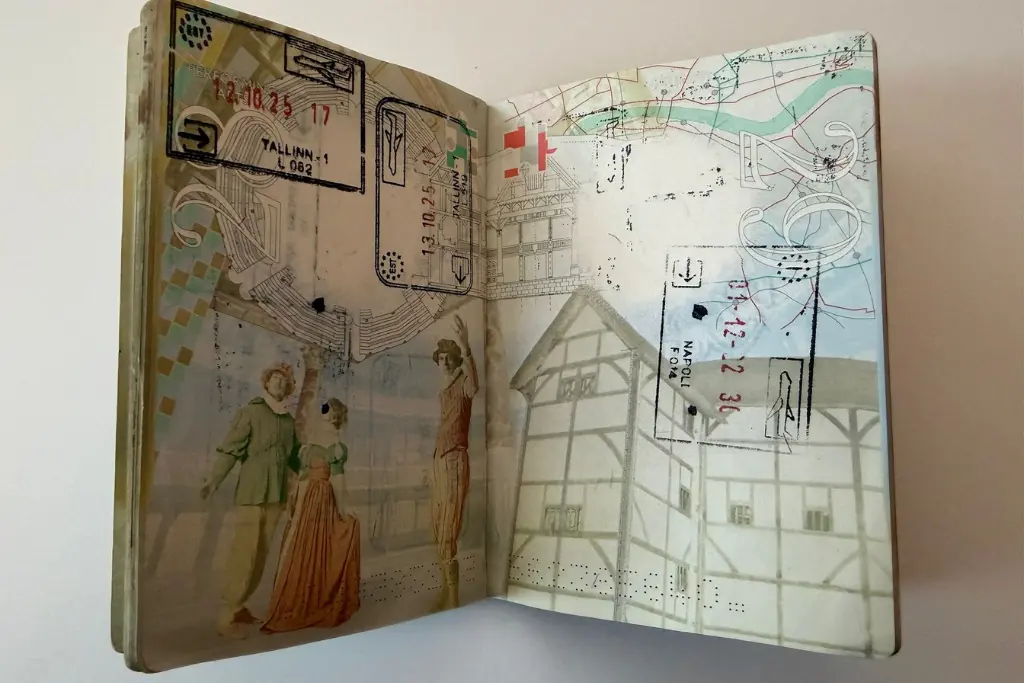
Nothing! EES is set to replace passport stamps but during the first six months, you’ll still get a stamp whether or not you went through the EES process. It’s basically a backup way of tracking travel whilst they’re testing this new computer system.
Will I be allowed to get stamps after April 2026 if I ask?
The manual stamping of passports will be abolished when the new EES process is fully up and running – which is expected to be 10 April 2026. Therefore, stamps will not be offered as standard and since the whole point of this is to speed the process up, I’m not expecting border officers to be offering this up willy nilly.
Is the EES only for adults?
No, it’s for all non-EU nationals – even babies! So yes they’ll need to do a face scan and answer questions (yes parents and guardians can do it on their behalf!) however, children under 12 will not be fingerprinted.
What about disabled people or those who have issues with fingerprint or facial scans?
Individual member states have responsibility for their own border crossings so accessibility will vary from place to place. However, manual EES checks will always be in place at border control with a border officer, so you can skip the the self-service kiosks and join the queue at border control for additional help.
Is this required for EU passport holders as well?
No, EES is for non-EU nationals. If you have a passport for an EU country, you will not need to do these levels of checks and can make your way to the EU/EEA queues which are often e-Gates.
My other half has an EU passport, can I just go in the EU/EEA queue with them like I usually do?
You will need to register for EES first which you may be able to do at a self-service kiosk before you get to border security. If not, you will need to join the ‘All Passports’ queue with everyone else to do your EES check manually. However, after your registration – which lasts 3 years – you may well be able to join the queue with your other half again. Let us know if you test it out!
What else do I need to know for travel to Europe?
Now that EES has launched, in about a year’s time some travellers will need a visa to visit Europe – but what about passengers from the UK? Our guide has all the info – you can check it out at the link below.
Plus, if your passport expires soon, check it’s not been valid longer than ten years, or you could find you’re unable to travel to Europe.
This one is STILL catching people out, so don’t let it happen to you!